
 Charlie Watson
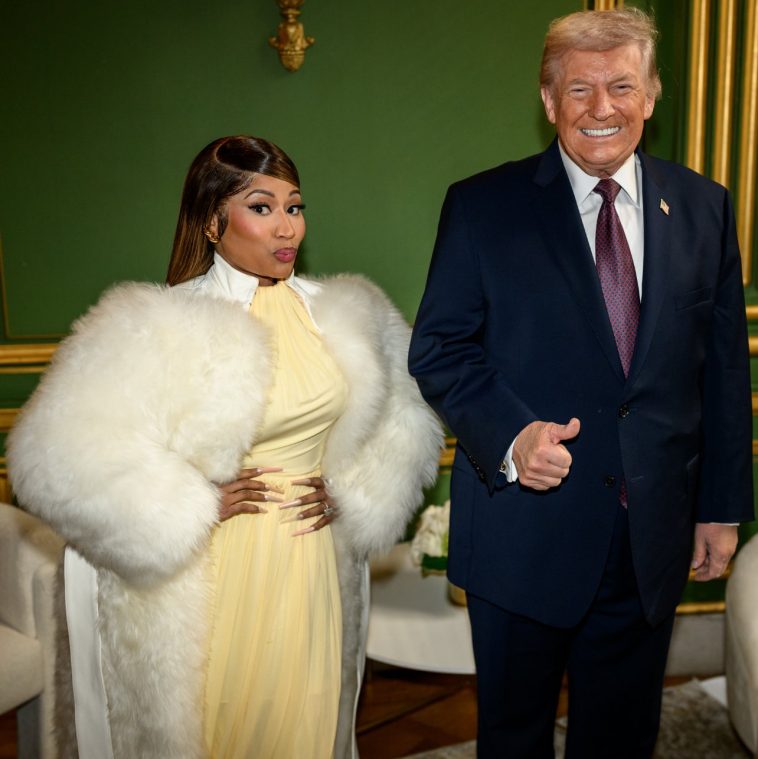
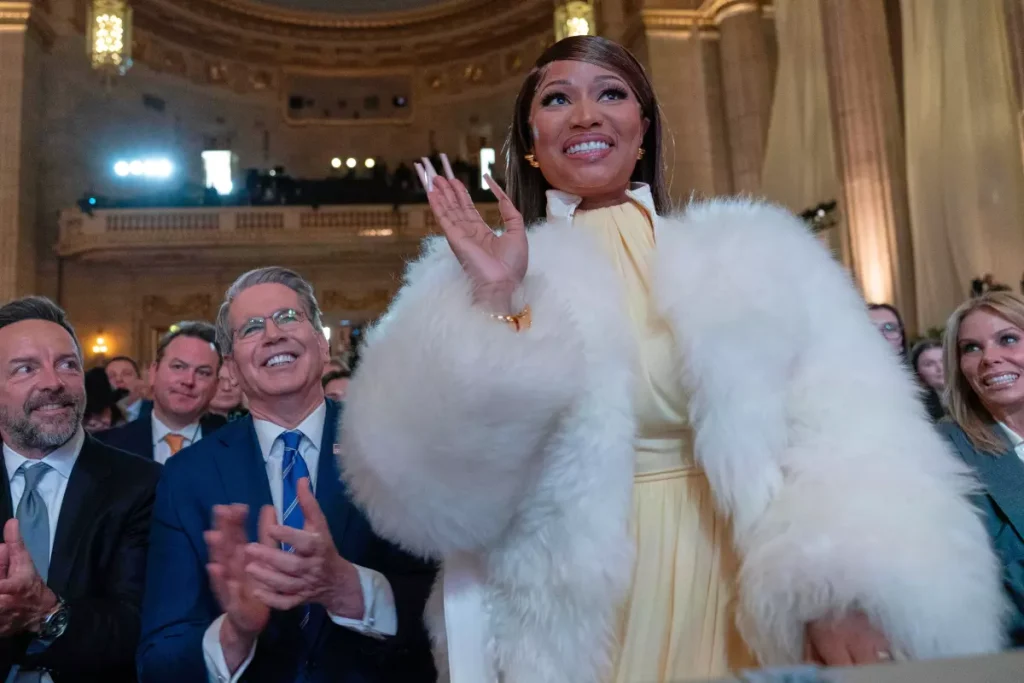
Nicki Minaj is once again at the center of a cultural firestorm after her recent visit to the White House triggered intense online backlash and widespread debate. The rap icon, long celebrated for her dominance in hip-hop and unapologetic individuality, found herself trending for reasons that had little to do with music and everything to do with politics, perception, and power.
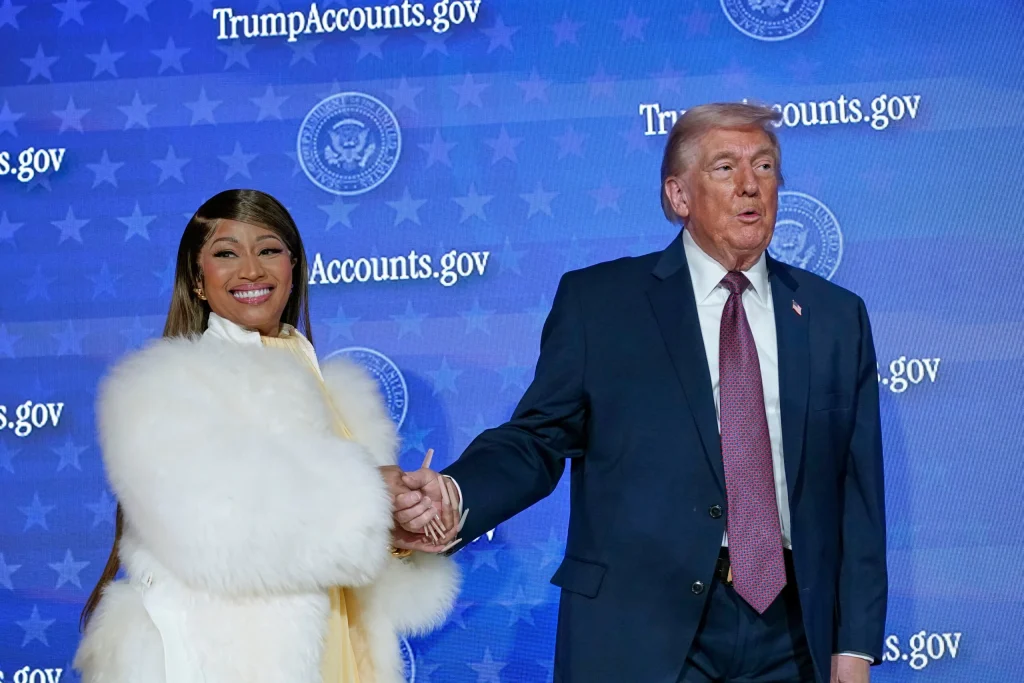
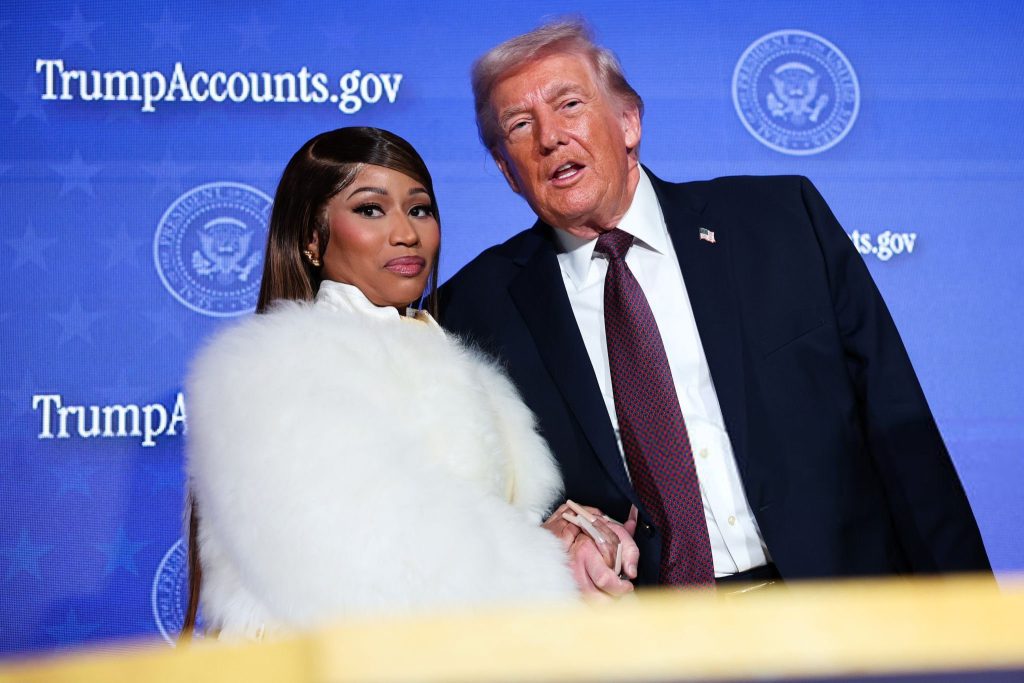
Footage and photos from Minaj’s appearance circulated rapidly, with critics questioning the symbolism of her presence and what it represents at a time when political alignment has become inseparable from celebrity identity. For many fans, the moment felt jarring. Minaj has historically positioned herself as an outsider to traditional political institutions, often voicing skepticism toward authority and mainstream narratives. This appearance, however, was read by some as a sharp pivot.
Online reaction was swift and polarized. Supporters defended Minaj’s right to engage with political spaces freely, arguing that Black women are rarely afforded the autonomy to exist outside rigid ideological boxes. Others accused her of being tone-deaf, suggesting that her visibility carries influence whether she intends it or not. The discourse quickly expanded beyond Minaj herself, evolving into a broader conversation about celebrity responsibility, optics, and the limits of neutrality.
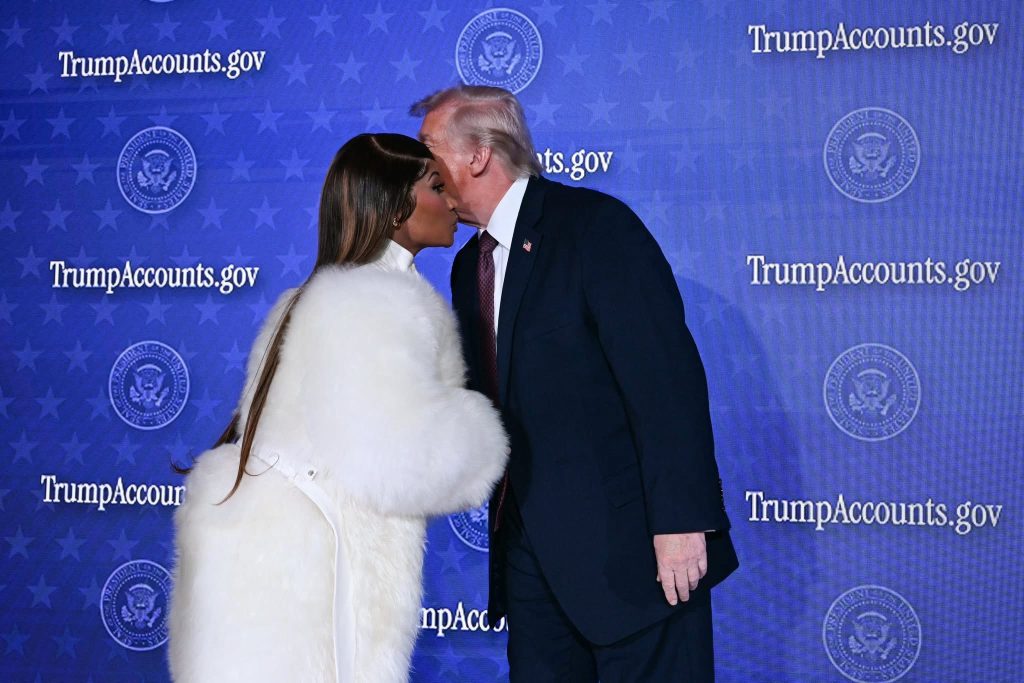
What made the moment particularly volatile was how it intersected with Minaj’s already complicated public image. In recent years, her outspoken social media presence, high-profile feuds, and controversial takes have kept her in a near-constant cycle of virality. To critics, the White House appearance felt like another example of Minaj leaning into provocation. To supporters, it was simply another instance of the rapper refusing to be managed by public expectation.
Minaj has yet to offer a detailed explanation addressing the backlash directly, but historically she has shown little interest in appeasing critics. Her career has been defined by resistance to conformity and an insistence on self-definition, even when that stance comes at the cost of public approval. Whether intentional or not, the moment reaffirmed her ability to dominate conversation without releasing a single bar.
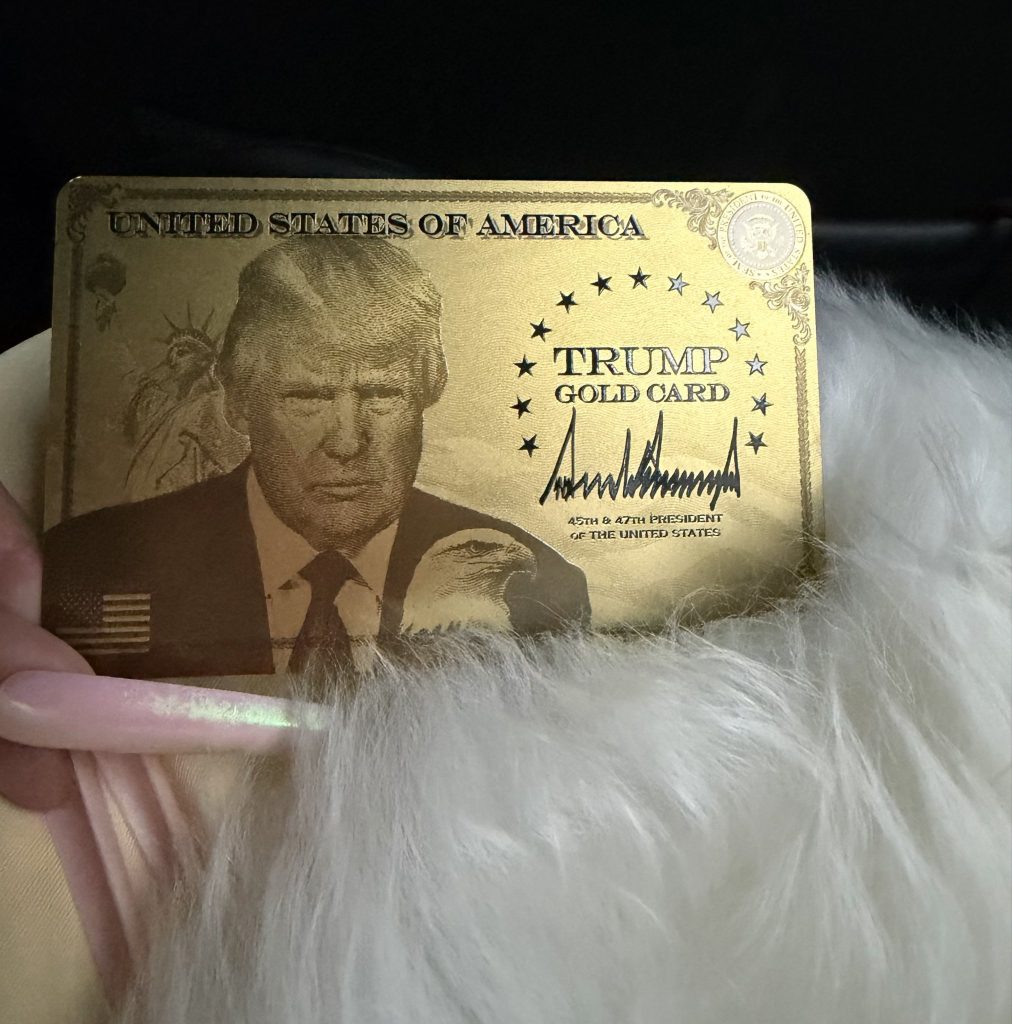
At its core, the controversy reveals more about the current cultural climate than it does about Minaj herself. In an era where artists are expected to be activists, role models, and symbols all at once, deviation is often met with outrage. Nicki Minaj remains a lightning rod precisely because she refuses to fit neatly into any one role.
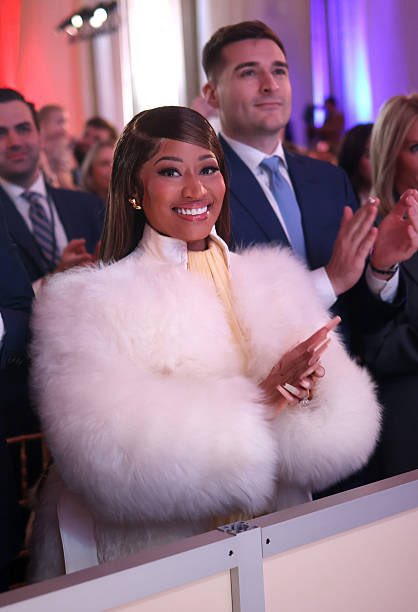
Love her or criticize her, one thing remains unchanged: Nicki Minaj still controls the conversation. And in today’s attention economy, that power may be her most enduring legacy.
GIPHY App Key not set. Please check settings