
 Charlie Watson
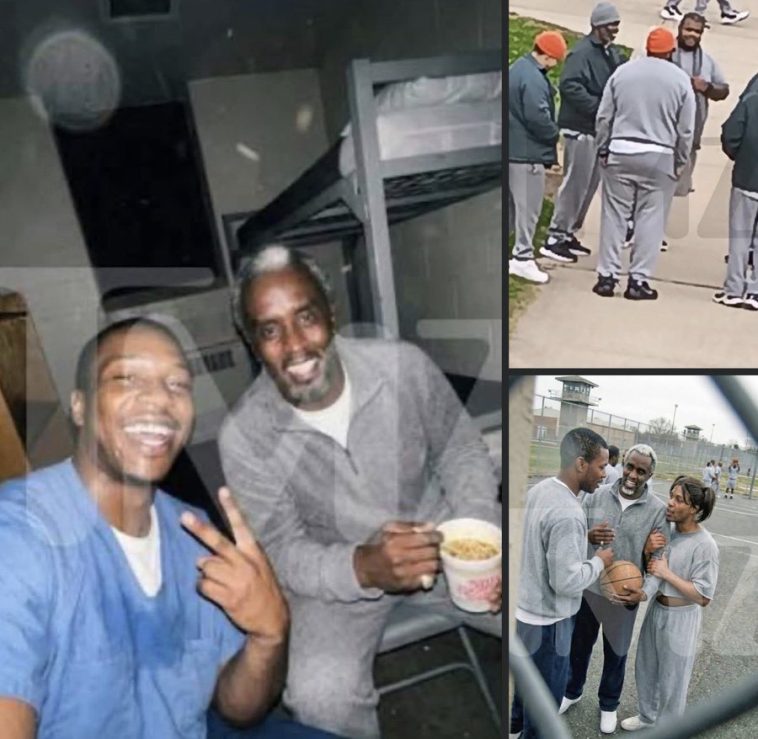
The internet erupted this week after a series of images claiming to show Sean “Diddy” Combs behind bars began circulating widely only for it to be revealed that many of the viral photos were completely fabricated. The pictures, pushed heavily by TMZ, featured Diddy with exaggerated grey hair, playing basketball, eating ramen in a cell, and interacting with inmates in scenes that looked cinematic but were proven to be AI-generated composites. The lighting, facial textures, and inconsistent body proportions quickly raised suspicion among viewers and digital forensics experts, sparking a debate about the ethics of using synthetic images to depict a real incarcerated individua

While Diddy is currently serving time at FCI Fort Dix, no verified photos of him inside the facility look anything like the viral AI fabrications. Authentic images released through credible news outlets show him wearing standard grey sweats, occasionally bundled in a jacket during outdoor rec time, with a natural salt-and-pepper beard and not the dramatically aged or staged scenarios created in the fake photos. The AI images, crafted with dramatic poses and unrealistic scenarios, spread quickly across social media, blurring the line between entertainment, misinformation, and exploitation.
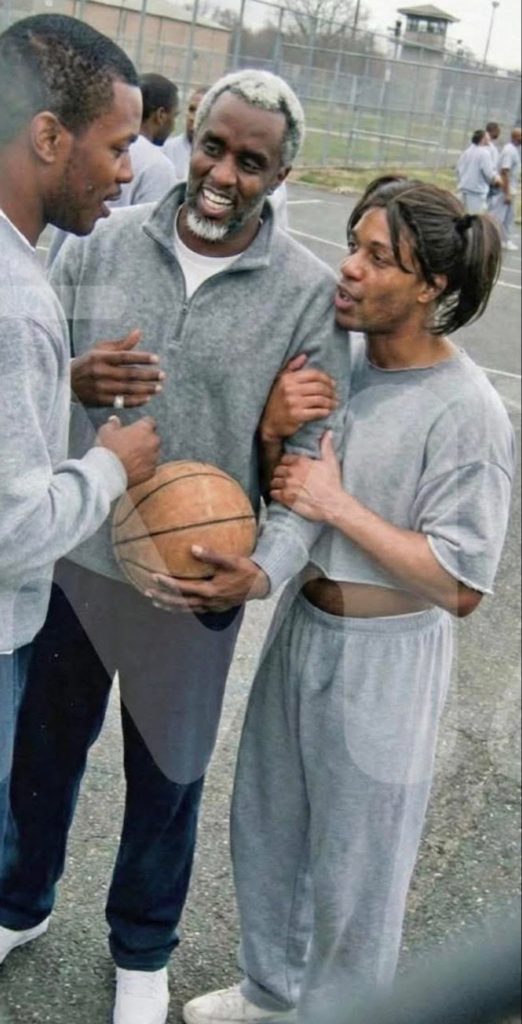
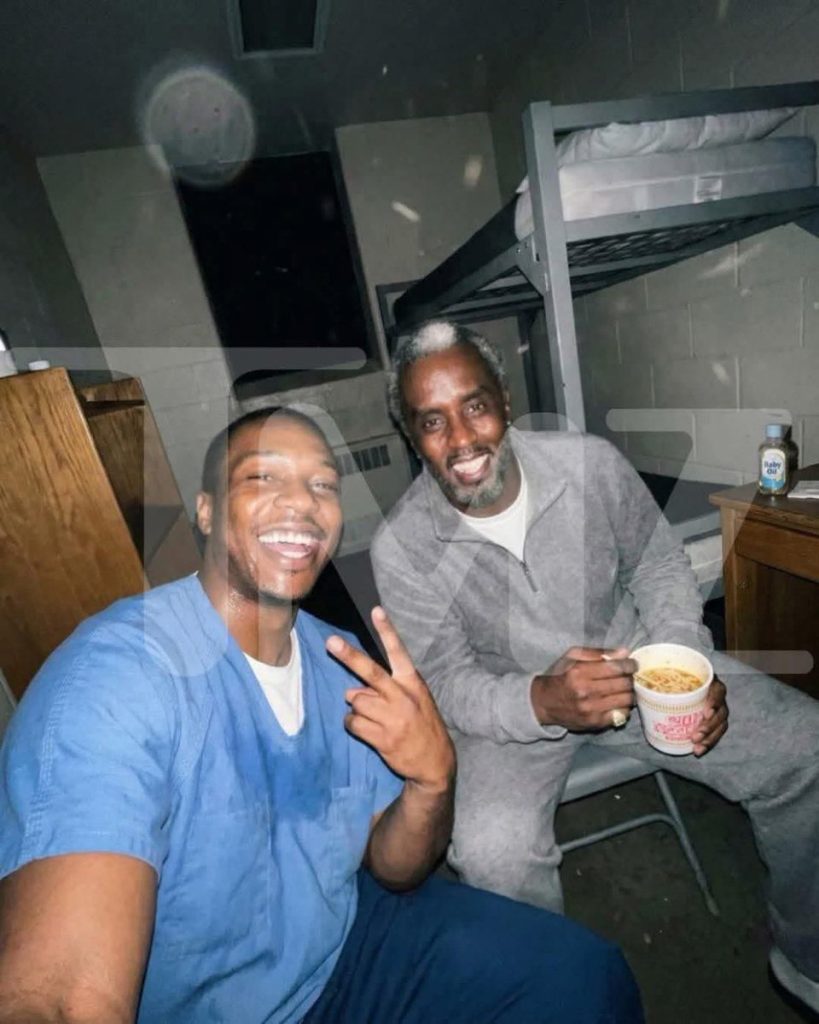
TMZ has faced heavy backlash for presenting manipulated images of a real inmate, with critics arguing that using AI-generated prison scenes as “news” crosses a serious ethical boundary. In an era where artificial intelligence can create lifelike fakes with ease, this controversy highlights the urgent need for stronger accountability and transparency in celebrity reporting especially when someone’s freedom, reputation, and legal circumstances are involved.
GIPHY App Key not set. Please check settings